GIA
-
Fake GIA Diamond Certificates: What a Diamond Buyer Should Know
Recent reports involving counterfeit diamond inscriptions have raised new concerns about fraud in the jewelry market. This 2025 GIA report explains that four diamonds submitted to the organization’s Dubai lab had fraudulent GIA report numbers. Two were laboratory-grown diamonds, and two were natural diamonds that had undergone HPHT treatment. None matched the natural diamonds described in the accompanying reports.
Cases like these show why buyers can’t assume an inscription or document is authentic just because it has a GIA number. Someone creating a fake GIA certificate or report may copy information from a legitimate diamond and apply it to a different stone to make that stone appear more valuable. Fraudulent reports can misrepresent color, clarity, treatments, origin, carat weight, and other grading characteristics.
Both natural and lab-grown stones can be misrepresented. If you’re looking for a real diamond, you should understand what certification means and know how to verify the information before you buy.
Why Fake Diamond Certifications Matter
A diamond grading report gives buyers an independent assessment of important characteristics. When that information is accurate, you can feel more confident, knowing you’re actually getting the stone you had in mind.
A fake diamond certificate creates a huge problem for buyers. It may make a lower-quality, treated, or laboratory-grown stone appear to have the characteristics of a more valuable diamond. GIA has previously encountered laboratory-grown diamonds carrying counterfeit inscriptions tied to reports for natural diamonds.
Fake diamond certification can affect far more than a diamond’s description. It may influence the amount someone pays and their expectations about future value.
Working with a reputable jeweler gives you another layer of protection because you have someone who can explain the diamond, its documentation, and what you’re actually buying.
How to Choose a Jeweler You Can Trust
Start by checking online reviews and testimonials to see what past customers say about the jeweler’s reputation and service. Then ask the jeweler directly about diamond sourcing, grading, and certifications.
Pay attention to how they answer your questions. A good jeweler should take the time to explain your options clearly without pressuring you to make a decision.
Experience and customer service are worth considering, too. Look for a jeweler who has been in the business for a while, has built a solid reputation, and is available to answer questions before and after your purchase.
How to Spot a Fake GIA Report
Knowing how to verify a GIA certificate is a must for any diamond buyer.
Start by asking for the original GIA grading report. Then use GIA Report Check to confirm that the details on the report match the information in GIA’s database.
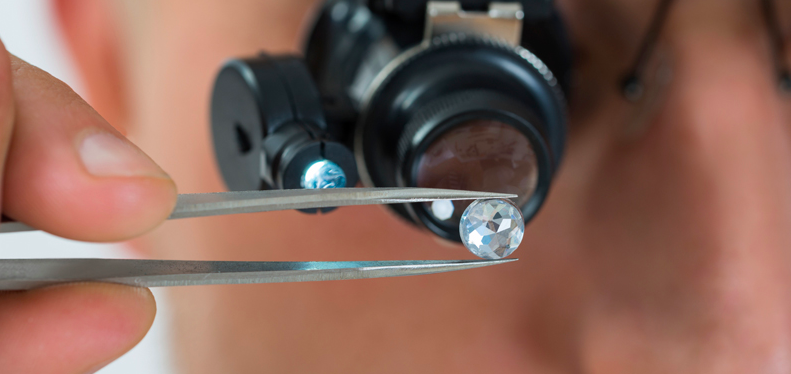
If the diamond has a laser inscription, compare that number to the report number. A jeweler can show you the inscription under magnification and explain how the diamond’s characteristics line up with the GIA diamond report.
Just remember this: matching numbers alone aren’t enough. Counterfeit inscriptions have been tied to legitimate report numbers, so GIA certificate verification should include the report, the inscription, and the diamond itself.
Don’t be afraid to ask the jeweler to walk through the GIA grading report line by line before you buy.
Lab-Grown Diamonds vs. Natural Diamonds
Natural and laboratory-grown diamonds have essentially the same chemical composition and physical properties. The main difference is how they’re formed.
Natural diamonds begin as carbon deep within the Earth and develop over billions of years. Lab-grown diamonds are created in controlled environments that replicate the heat and pressure found deep beneath the Earth’s surface.
That difference affects rarity and supply. Natural diamonds depend on limited geological resources, while laboratory-grown diamonds can be made in much larger quantities.
Whether a diamond is natural or lab-grown, poor disclosure is still a problem. A fake GIA diamond certificate that presents a lab-grown stone as natural can be highly misleading. So, clear identification should always be part of the buying process.
Price vs. Long-Term Value
Lab-grown diamonds usually cost less than natural diamonds of a similar size and quality. That can give you more flexibility to choose the features you want without going over budget.
Natural diamonds, on the other hand, are rarer, which can contribute to their long-term value. Even so, resale value can vary widely based on demand, quality, condition, and other market factors.
Because each option comes with tradeoffs, price shouldn’t be the only thing you consider. Think about what matters most to you, whether that’s size, rarity, origin, budget, or possible resale value.
Trust and Transparency Matter Most
The more you understand about the diamond you’re considering, the easier it is to spot problems and make a confident decision. That’s why it helps to work with professionals who are open to questions and willing to explain the details.
At La Bijouterie, the consultation process gives you time to talk through diamond options, certification, grading, budget, and your personal priorities before you decide what feels right.
From there, you can review the documentation, inspect the diamond, and verify the report with a clearer understanding of what you’re looking at.
If you’re considering a natural or lab-grown diamond and want help sorting through your options, schedule an appointment with La Bijouterie to speak with an experienced jewelry professional.