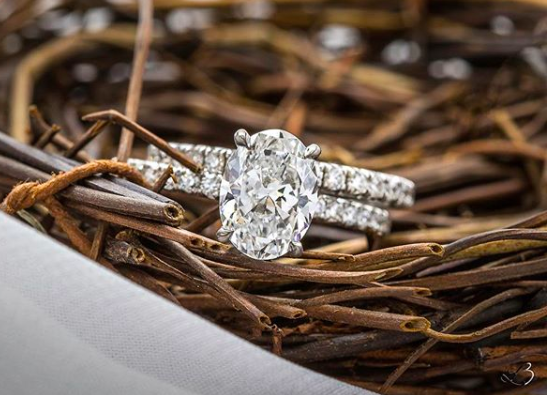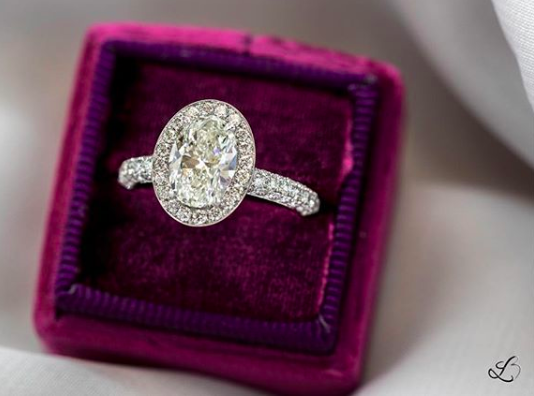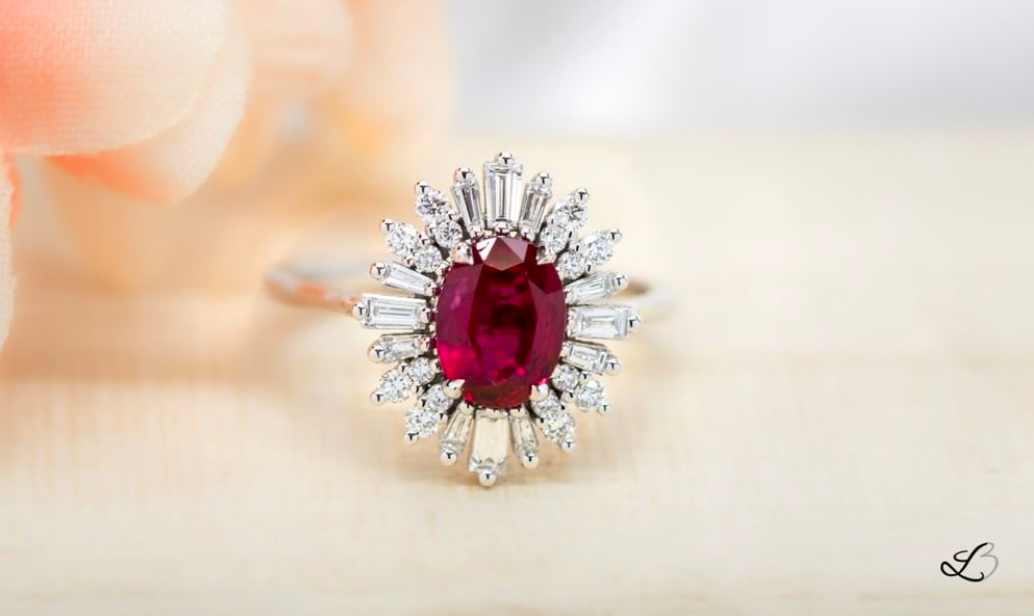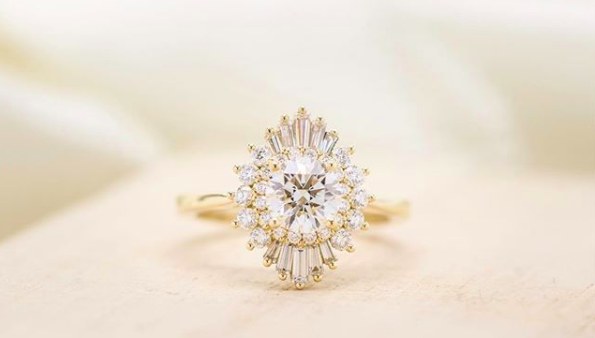
Oval Cut Diamonds
-
2019 Celebrity Engagement Ring Trends
From JLo to Katy Perry, and Jennifer Lawrence to Hailey Bieber, it seems that this year’s 2019 celebrity rings are all the rage. And with one quick glance it’s easy to tell why...
Let’s start with the ring that rocked internet, or should we say the rock that broke it.
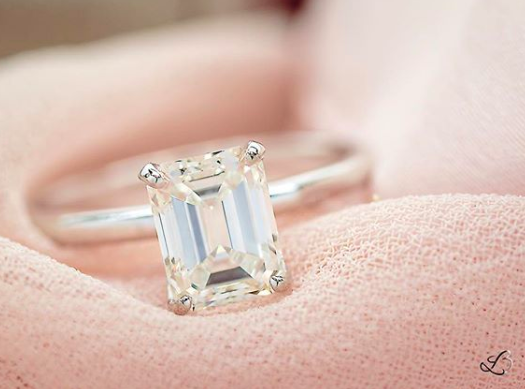
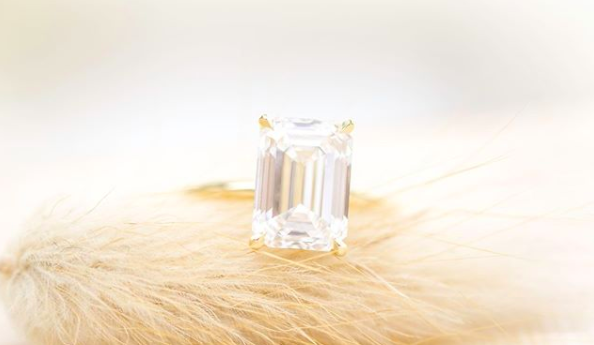
EMERALD CUT
Jennifer Lopez dropped jaws showing off this massive emerald cut number just a couple weeks ago. Measuring between 10 to 15 carats, a diamond like this is worth roughly $1.5- $3 million, but it all depends on the 4 C’s.
Speaking of Emerald cuts, Jennifer Lawrence dazzles in this beautiful number. Her ring has a refined elegance that fits her hand beautifully. We image it being around 1.75 to 2 carats and costing anywhere from $15,000 to $25,000.
If Emerald diamonds are speaking to you, check out our Instagram page here, and get the look.
ART DECO
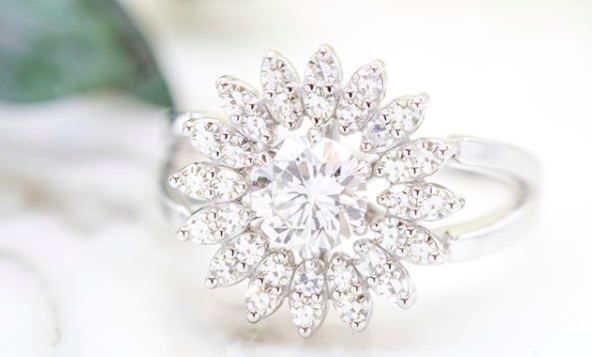
This art deco inspired engagement ring has Katy Perry’s name all over it. The flower shaped ring top is not only a nod to her beau’s last name, it’s the perfect compliment to her beautiful personality. This look is made with over 4 carats worth of diamonds, including a stunning pink center diamond.
Looking for something a little different? Check out our selection here.
TIMELESS
Cushion Cut
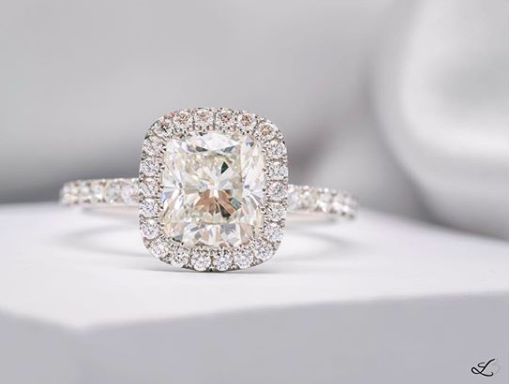
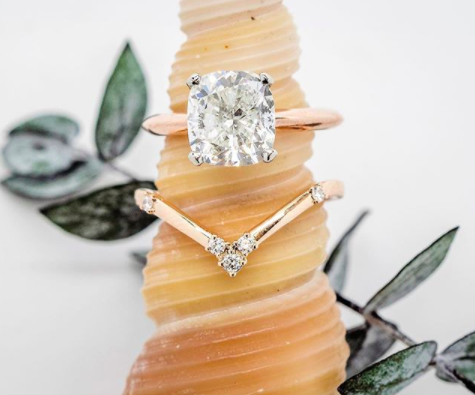
Katherine Schwarzenegger's is no stranger to the spotlight due to her famous parents, and this stunning ring won’t be keeping her out of it anytime soon! We love the classic cushion cut, with a delicate diamond halo to complete the look.
Check out some of our favorite cushion cuts here.
Oval Cut
Talk about “Loving Yourself”, Justin Bieber’s now wife, Hailey Bieber must be feeling pretty good about herself with that incredible diamond around her finger. Oval cuts are still ranking high on this year’s trend list and with a cut like that, we totally get why.
Check out a few of our oval favorites here.
Do you have a favorite of the bunch? Leave us a comment below and let us know! As always, you can make an appointment here.
~ LB
-
Colored Gemstones Are Taking Center Stage
“Don’t be like the rest of them darling.” - Coco Chanel.
In the wise words of Coco Chanel herself, being different and being daring is what gives life it’s luster. Although diamonds may be your best friend, colored gemstones are adding lots of sparkle when it comes to engagement rings, milestone jewelry and heirloom pieces.
Colored gemstones such as rubies, sapphires, colored diamonds and emeralds are some of the rarest and most precious stones to own. Check out this historic 6-carat Farness Blue Diamond to get an idea.
Today, Millennials are changing the engagement ring market quite a bit, as we are beginning to see a shift in engagement ring preferences. Although brilliant diamonds still reign supreme, more and more gemstone seekers are opting for colored stones and rings made out of unique materials.
A Bit of History
Engagement rings originated in Rome and interestingly enough, did not originally include diamonds, but instead, colored gemstones. It wasn’t until the late 1940’s that diamonds gained popularity. As a matter of fact, pastel colored diamonds are quickly gaining popularity this year. Check out our Latest Trends for 2021 to learn more.
The Sapphire
When it comes to adding color to your jewelry ensemble, there’s more that meets the eye than hue alone. Take Sapphires for example. Arguably, the gemstone of royalty, and often associated with a deep blue color, hello Kate Middleton, Sapphires actually come in every color, with the exception of red. Due to their hardness, sapphires are the second hardest (non-diamond) gem, as well as the most sought after. Their deep rich color and complex properties make them an excellent choice when it comes to creating an engagement ring, milestone gift, or simply as a way to say I love you to your Valentine. Check out this ocean blue Sapphire ring for inspiration.
Emeralds
It may not be easy being green, but if you’re an emerald, it sure is beautiful. Understood to be Cleopatra’s gem of choice, Emerald gemstones range in green shades from light to a deep dark color. Like Sapphire’s, Emeralds have a hardness of 8, though do require a little extra TLC. Their unique inclusions and fractures require a routine tune up of oil and filler, but their stunning color makes it all worth it. Check out this stunning Oval Emerald Engagement Ring with a Diamond Halo.
Rubies
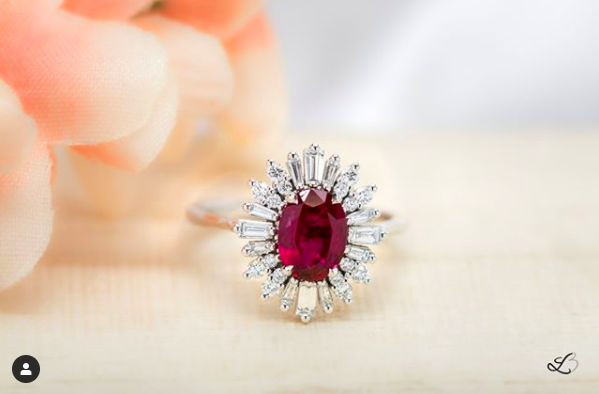
A gemstone by any other name, wouldn’t look so sweet. It may come as no surprise the rubies are often associated with love and the heart, which make this gemstone the most universally romantic. When set in an engagement ring, it makes a striking statement. Like a Sapphire, it’s hardness and durability make it a great choice for an engagement ring setting. According to GemSociety, “Pigeon blood red,” a slightly purplish red with a medium-dark tone and vivid saturation, is the most sought after ruby color. Check out this incredible Art Deco Ruby Ring or these Ruby Earrings with a Diamond Halo.
Colored Diamonds
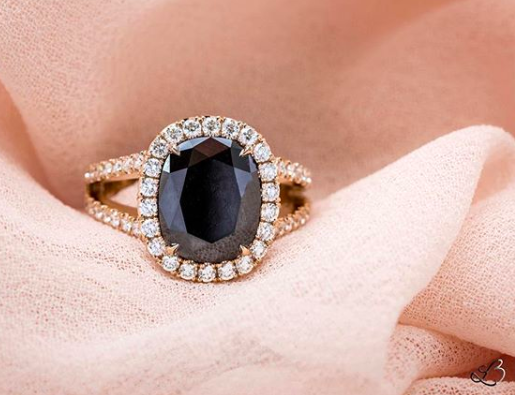
Did you know Roughly 1 in 10,000 diamonds exhibits natural color? Those with the most intense colors are prized more highly and, thus, cost more. Colored diamond options include bold canary yellow, sparkling pink, pastel green, eye-catching black, and champagne. Pink diamonds rank among the most expensive according to Gem Society due to their muted, yet sophisticated color. Perhaps this Yellow Oval Diamond Ring will make your heart beat a little faster.
Looking to give someone you love the gift of a lifetime? Book a no stress appointment today. We look forward to helping you create a one-of-a-kind piece.
Merci,
Set F.
Founder of La Bijouterie
-
Engagement Ring Trends for 2021
A new year is on the horizon and after all that 2020 brought to the table, we’re ready for a fresh start. If your upcoming year will include a proposal, keep reading because we have the scoop on the hottest bling for 2021. Now doesn’t that have a nice “ring” to it?
The New Halo
Beyonce said it best, you’ll be “Standing in the light of your halo” with this new take on an updated favorite.
The Retro Halo
View it here.
The Floral Halo
View it here
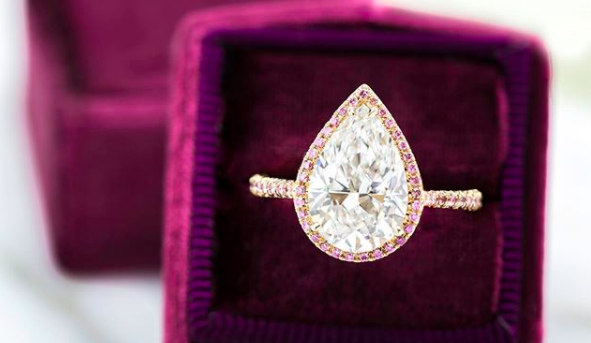
The Alternating Color Halo
Featured: 4-carat pear shaped diamond with pink diamond halo
View it here.
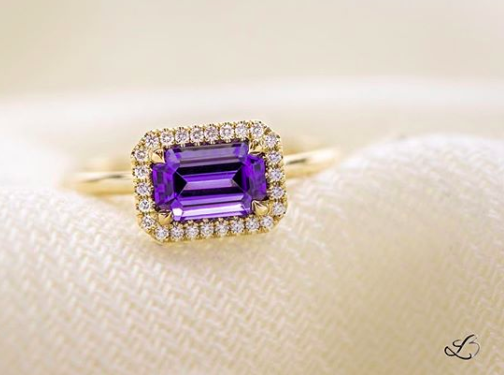
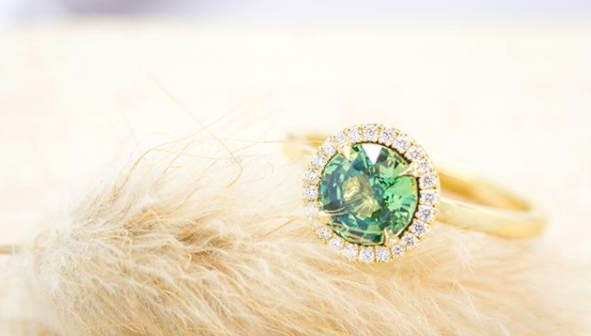
The Colored Stone with Halo
View it here.
Featured: A Ruby set in white gold, with emerald diamond halo.
Pretty in Pastel
Speaking of different colored stones, pastel colored diamonds are giving us all the feels. They’re muted, yet sophisticated. Check out this upcoming trend below.
View it here.
View it here.
View it here.
View it here.
Geometric & Offset Diamonds
If colorful diamonds aren’t your cup of tea, but you’re still looking for something uniquely you, perhaps thinking outside the typical setting is more your style.
The Offset Round Brilliant Trio
View it here.
The 4-Corners Round
View it here.
The Offset Oval
View it here.
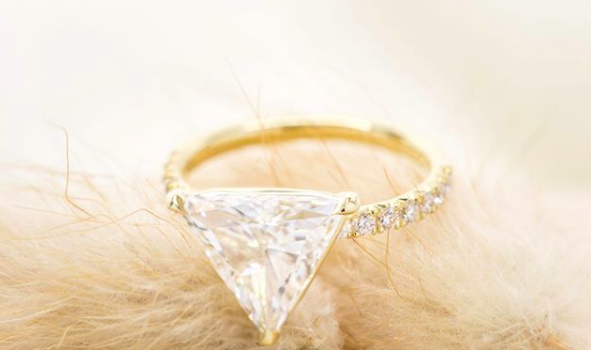
The Trillion
View it here.
The Classics
Let’s be honest, no trending engagement ring list would be complete without the tried and true selection customer favorites that have a way of always staying in style. Which classic solitaire makes your heart beat a little faster?
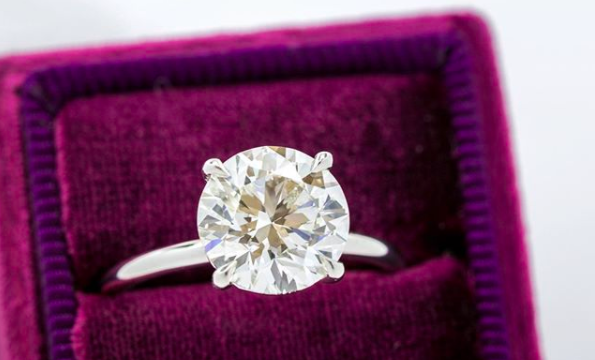
The Round Brilliant
View it here.
The Emerald Cut
View it here.
The Cushion Cut
View it here.
The Oval
View it here.
If you’d love to learn more about any of our featured designs, visit our website to book a no stress appointment. They can be in person, over the phone or via zoom! We look forward to serving you soon.
~ LB
-
The “What To Know Before You Go” Diamond Buying Guide
Not many things in life carry the emotional thrill that comes with buying the perfect piece for the one you want to spend forever with. With countless diamond shapes, settings, metals, and price points to consider, it's easy to wonder where to begin. Whether you're shopping together or planning a surprise proposal, understanding the basics before you visit a jewelry store will help you make the best decision for you and your partner.
If you’re starting to venture into this world of diamond buying, let this guide help you make educated and stress-free decisions. Here are Five Tips to consider before you go ring shopping.
Tip 1: Have a Clear Understanding of the 4 Cs of Diamond Buying
The 4 Cs of diamond buying include Cut, Clarity, Carat and Color. Having a basic understanding of these four diamond characteristics will help you have better conversations with your jeweler and offer you the vocabulary to ask the important questions.
Choosing a Center Stone
The center stone is the focal point of an engagement ring and deserves careful consideration. While diamonds remain the most popular choice, many couples also explore colored gemstones or lab-grown diamonds.
Diamond vs. Gemstone Durability
For everyday wear, durability matters.
Natural and lab-grown diamonds both rank 10 on the Mohs Hardness Scale, making them the hardest gemstone available. This exceptional hardness helps resist scratching and makes diamonds ideal for rings worn daily.
Other gemstones are beautiful but generally softer:
- Sapphire: 9
- Ruby: 9
- Emerald: 7.5–8
- Morganite: 7.5–8
- Aquamarine: 7.5–8
- Opal: 5.5–6.5
While sapphires and rubies are durable enough for daily wear, softer stones typically require additional care and more protective settings.
Sizing, Fit, and Practical Considerations
Professional ring sizing is one of the simplest ways to ensure long-term comfort.
Finger size changes throughout the day and throughout the year due to temperature and activity, so an in-store sizing appointment provides the most accurate measurement.
Keep in mind that some rings are easier to resize than others.
Pavé bands, eternity bands, and rings with diamonds extending around the entire band often have limited resizing options because adjusting the ring can affect stone placement and structural integrity.
Ring profile also affects everyday comfort.
Lower-profile rings sit closer to the finger and are less likely to catch on clothing or gloves, while higher-profile settings provide greater visibility for the center stone but may require more awareness during daily activities.
Tip 2: Set a Budget That Works for You
Forget every rule of thumb you’ve heard in the past and instead make sure you are comfortable with the amount you’re looking to spend. This number will also enable your jeweler to show you all that’s possible. Because of our customized approach, we have engagement rings that fit every budget and style. The price could depend on if you’re looking to use either lab-grown or natural diamonds.
Lab-Grown vs. Natural Diamonds
One of the biggest differences between natural and lab-grown diamonds is cost.
Lab-grown diamonds generally cost significantly less than natural diamonds of similar size and quality. This often allows buyers to purchase a larger diamond or higher color and clarity grades within the same budget.
Natural diamonds, however, formed deep within the earth over billions of years, remain rarer and often command higher prices because of their scarcity and enduring market demand.
Custom Design and In-Store Consultations
Custom jewelry allows you to create a ring that reflects your relationship while fitting your budget and style preferences. At La Bijouterie, custom consultations include discussing inspiration, reviewing diamond options, selecting settings, and refining every design detail before production begins. Be sure to bring in; inspiration photos, preferred shapes, ring size, budget and, of course, any existing family jewelry you’d like to use.
We do not work off commission so you can feel confident knowing that this will be a stress-free experience.
Tip 3: Decide Which of the 4 Cs Will be Most Important to You and Your Partner
For some, carat size is the most important, while others focus on color or clarity, but the “C” that determines the sparkle/luster and beauty of a diamond is the cut. Some other things to also consider are colored diamonds or fancy cut non-traditional diamonds. In addition to the 4 Cs, the ring style can be classically traditional or uniquely yours.
Popular engagement ring styles include:
- Solitaire rings
- Halo engagement rings
- Three-stone rings
- Pavé bands
- Vintage-inspired designs
- Hidden halo settings
- Cathedral settings
- Modern bezel settings
Many couples also choose to personalize every detail through our custom jewelry services, allowing them to select the center stone, setting, metal, and finishing details.
Selecting the Right Shape
Or perhaps the cut is what’s most important in your ring. Different diamond shapes complement different hands and personal styles.
Popular shapes include:
- Round Brilliant
- Oval
- Cushion
- Emerald
- Radiant
- Pear
- Marquise
- Princess
- Asscher
- Heart
Longer shapes such as oval, marquise, and pear often create the illusion of longer, slimmer fingers. Round and cushion cuts offer timeless appeal, while emerald and Asscher cuts highlight clean architectural lines and understated elegance.
Some shapes require more protection than others. Diamonds with pointed corners or tips; including pear, marquise, princess, and heart shapes—benefit from protective settings that shield vulnerable edges. V-shaped prongs, bezel settings, or specially designed protective prongs help reduce the risk of chipping during everyday wear.
Settings, Side Stones, and Protection
Side stones can dramatically change an engagement ring's appearance.
Halo Settings
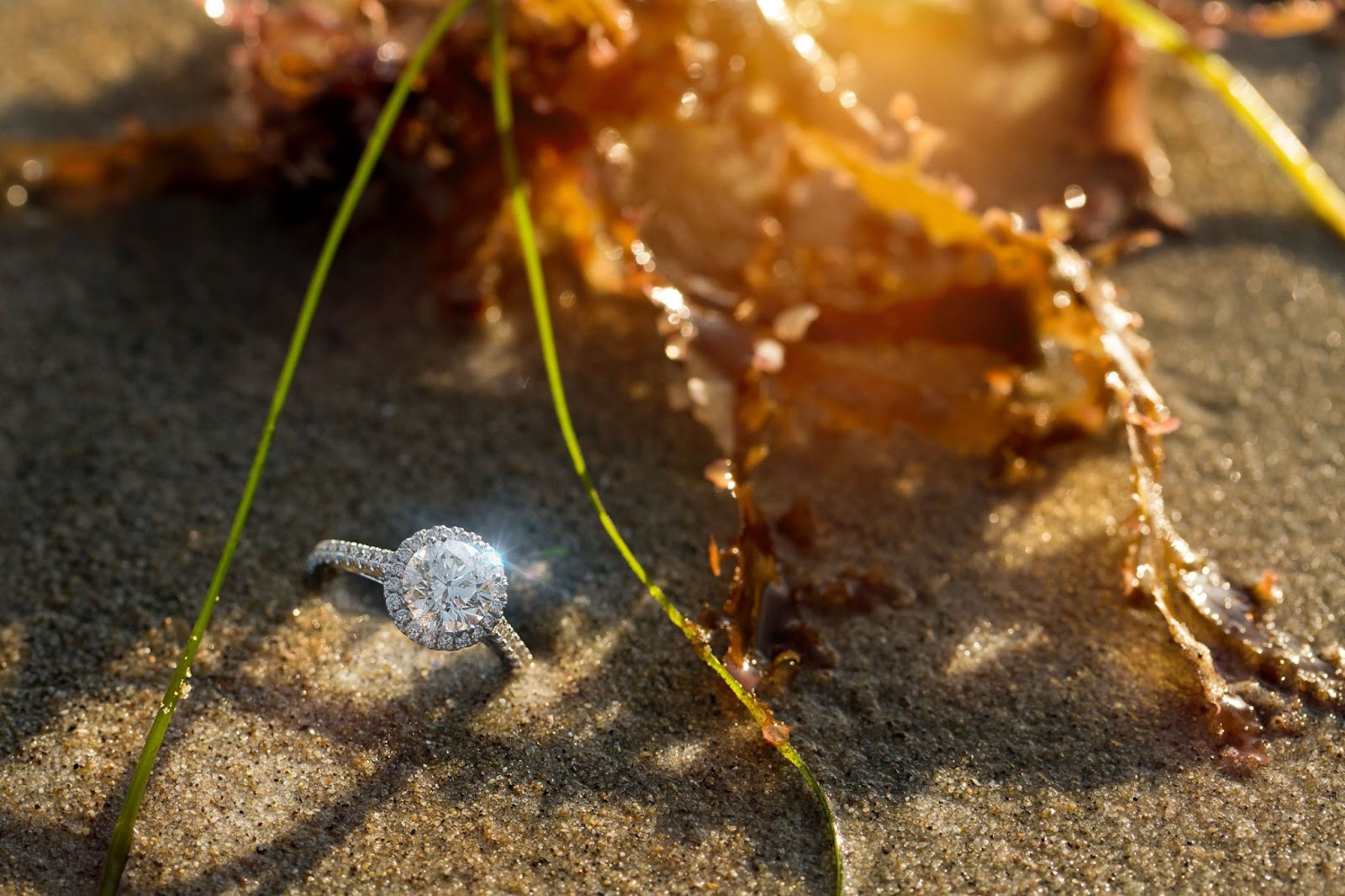
A halo surrounds the center diamond with smaller diamonds, increasing sparkle while making the center stone appear larger.
Pavé Settings
Pavé settings feature numerous small diamonds set closely together along the band, creating continuous brilliance with minimal visible metal.
Channel Settings
Channel settings place diamonds securely between two strips of metal, providing a sleek appearance while protecting the stones from everyday wear.
Matching Side Stone Color
For the most cohesive appearance, side stones should closely match the center stone's color. Consistent color grades create a balanced, harmonious look and prevent noticeable differences between the center diamond and accent stones.
Protecting Pointed Shapes
Pear, marquise, princess, and heart-shaped diamonds benefit from additional protection through V-prongs or bezel settings that reinforce vulnerable points without sacrificing beauty.
Tip 4: Understanding the Role Table Size Plays in a Diamond
Table size or table percentages indicate the ratio of the width of the diamond's top facet (table) in relation to the width of the entire stone. When it comes to diamond tables, bigger is not always better. If the diamond table is too large, the upper facets on the crown will lack the room to disperse light. Generally, the best-looking diamonds have table sizes in the range of 55% to 60% (measured as a percentage of the diameter of the diamond). The size of the table is more important in larger diamonds, say over 1/2 ct.
The setting, metal and band types will also affect the overall size and shape.
Setting, Metal, and Band Choices
The setting influences both the appearance and durability of your engagement ring.
Prong Settings
Prong settings use small metal claws to hold the diamond securely while allowing maximum light to enter the stone. This style maximizes brilliance and remains one of the most popular engagement ring settings.
Bezel Settings
A bezel setting surrounds the diamond with a protective rim of precious metal. It provides excellent protection against everyday impacts and is ideal for active lifestyles or occupations requiring frequent hand use.
Flush Settings
Flush settings position the diamond nearly level with the band's surface, creating a sleek, modern appearance while offering outstanding protection from accidental bumps and snags.
Consider your partner's existing jewelry when selecting metal. Common options include, platinum, white gold, yellow gold, rose gold. If they primarily wear white jewelry, platinum or white gold often creates the most cohesive look. Those who favor warmer tones may prefer yellow or rose gold.
Band Width and Comfort
Band width affects both appearance and wearability. Narrow bands create a delicate look and can make the center stone appear larger, while wider bands provide greater presence and durability. Comfort-fit bands feature rounded interiors that make everyday wear more comfortable, especially for rings worn continuously.
Wedding Band Compatibility
Think ahead to how the engagement ring will pair with a wedding band.
Some elaborate settings require specially shaped wedding bands, while low-profile or flush settings may limit stacking options. Discuss wedding band compatibility during the design process to ensure both rings fit beautifully together.
Tip 5: Verify That It Is a GIA Certified Diamond
Feel confident asking to see the diamond certificate. This is a monumental purchase so, of course, you want to know that what you’re buying is authentic and conflict free. GIA tests every diamond submitted to establish its authenticity as a diamond and whether it's been subjected to treatments. GIA reports provide a full description of the diamond, including color, weight, measurements, and cutting style, and will disclose any known treatments.
It’s wise to be aware of the several types of diamonds available on the market.
Natural Diamonds
Natural diamonds are created beneath the Earth's surface over billions of years through intense heat and pressure. Each stone is unique and carries geological history that many buyers value.
When purchasing a natural diamond, certification is essential. Reputable grading reports verify the stone's quality according to the 4 Cs and confirm that the diamond matches its documented characteristics.
Always ask your jeweler about the diamond's origin and request documentation regarding ethical sourcing and responsible supply chain practices.
Lab-Grown Diamonds
Lab-grown diamonds have the same chemical, optical, and physical properties as natural diamonds. They are genuine diamonds created in controlled laboratory environments rather than mined from the earth.
They offer exceptional value for buyers who prioritize size or budget while still wanting a diamond with the same sparkle and durability as a natural stone.
Diamond Alternatives
Some couples choose alternative center stones such as:
- Sapphire
- Ruby
- Emerald
- Moissanite
- Morganite
Each offers a unique appearance, though durability, maintenance requirements, and long-term wear vary.
Aftercare, Insurance, and Maintenance
Regular maintenance helps preserve your engagement ring's beauty and brilliance.
A simple weekly cleaning routine using warm water, mild dish soap, and a soft toothbrush removes oils and everyday buildup that can reduce sparkle.
Professional inspections once or twice a year allow jewelers to check prongs, tighten stones, and identify normal wear before problems develop.
If your ring is crafted in white gold, remember that it may require periodic rhodium plating to maintain its bright white appearance over time.
Jewelry insurance provides valuable protection against loss, theft, accidental damage, or the ring being lost. Many policies can be added to homeowners or renters’ insurance, or you can purchase specialized jewelry coverage for broader protection.
Questions to Ask Your Jeweler
After purchasing your ring, obtain an independent appraisal for insurance purposes. An appraisal documents the ring's value and provides important information if the jewelry is ever lost, stolen, or damaged. Our knowledgeable jewelers will welcome your questions regarding appraisals, custom orders and any other queries you may have.
- What warranty coverage is included?
- How long will a custom order take?
- Are rush services available?
- Can I see a design rendering before the ring is created?
- Where did this diamond originate?
Bring inspiration images and accurate ring size information to your appointment. Having visual references and sizing details allows your jeweler to recommend designs that align with your vision while ensuring a comfortable fit.
At La Bijouterie, our sole purpose is to help couples achieve a milestone moment in their lives any way we can. We believe in quality over quantity and educating our customers in what’s the best ring for them. Before committing to such an important decision, book a worry-free, 30 minute, 1:1 appointment with us.
At Your Service,
Set F.
Founder, La Bijouterie
-
The Engagement Ring You Can’t Put a Price To
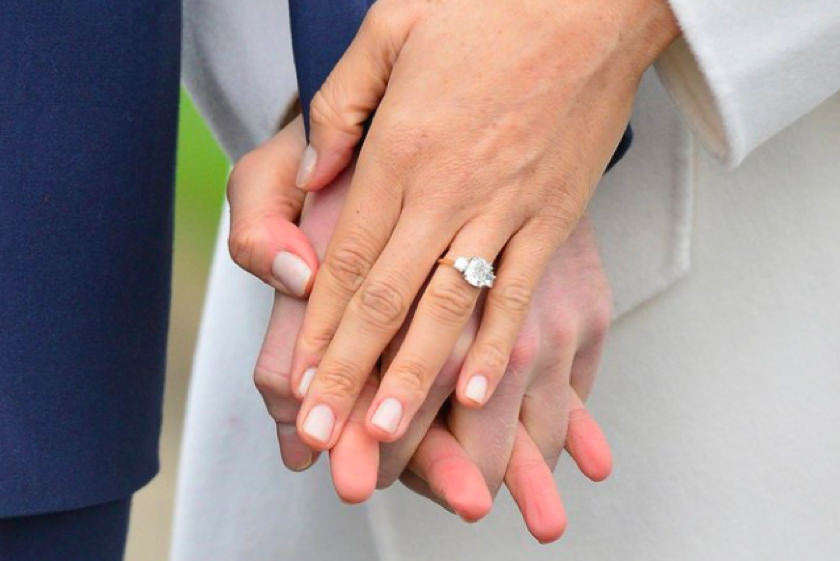
By now most have heard the exciting news that Prince Harry has proposed to American actress and humanitarian, Meghan Markle. The ring he designed for the proposal is nothing shy of dazzling! It incorporates a large center stone from Botswana (a place near to both of their hearts), and two smaller size diamonds from his late Mother, Princess Diana.
The value of such a ring is quite simply put-- priceless. This is primarily due to the history of the side diamonds, as well as the size of the center stone.
According to an article written by Real Men, Real Style, in “British law, heirlooms were moveable properties that had to be inherited through the family estate. You could sell one that you owned while you were alive, but once you died, it couldn’t be willed away from the family.
These days, the law is obsolete, even in Great Britain’s landed classes. But the concept — a piece of moveable property tied by tradition to the family — is still strong in Western culture”.
The wonderful thing about heirloom diamonds is that they are so versatile. They can be added to other pieces of jewelry or can be reset into a completely new piece. When needed, they can also be sold in order to buy a newer, more modern piece that better suits the purchasers taste. Over time they become much more than a beautiful sparkling stone, they become a piece of history to be passed down from generation to generation-- a true family heirloom.
If there is a precious piece of jewelry that you or your family owns, you just may want to hold onto it. Someday it may just be priceless too.LB
-
The Good, the Bad & the Ugly: Everything You Ever Wanted to Know About The Diamond Industry
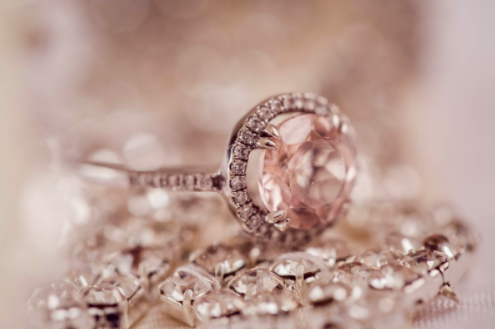
You’re about to make the biggest purchase of your life, yet wish you could clarify a few questions and clear up a few rumors you have heard about the diamond industry as a whole. Well look no further because we’re debunking some of the common misconceptions in hopes you breathe a sigh of relief.
Myth: Diamond mining is terrible for the environment
Reality: Considering little to no chemicals are used during diamond mining, (which would otherwise be harmful to the staff’s health), diamond mining is generally less harmful to the environment than other types of mining. Additionally, the orebodies used in mining are vertical not horizontal, ultimately affecting less of the surrounding area. Many companies have established protected habitats adjacent to their operations, often times larger than the mining operation itself.
Myth: There is a high chance that you could buy a conflict diamond
Reality: One of the most popularized myths of all is the issue of conflict diamonds — or “blood diamonds”. During the brutal civil wars in Sierra Leone and Angola in the 1990s, the diamond industry has made great strides given what this time unveiled. Since the introduction of the Kimberley Process (KP) certification scheme and the World Diamond Council (WDC) System of Warranties, more than 99.8% of the world’s diamonds are certified conflict-free, with the support of 81 countries.
Today the industry is mostly self-regulated, and various countries have additional layers of government regulation in place. The UK’s Government Diamond Office, for example, works closely with HM Revenue & Customs, the European Commission and civil groups to combat illicit diamonds.
Additionally, there are voluntary and self-regulation systems that are effective in maintaining the diamond pipeline. Like most jewelers, we want to ensure our customers have the confidence to know that our source of supply is conflict-free. Additionally, may jewelers subscribe to the Responsible Jewelery Council, De Beers’ Best Practice Principles, and the Signet Responsible Sourcing Protocol.
Myth: The diamond industry is a monopoly, owned by De Beers.
Reality: The good news is no one company has had controlled the market for decades. This myth dates back to the 1980’s when De Beers did indeed control over 90% of the supply chain and was almost wholly responsible for marketing diamonds, having developed its famous “A Diamond Is Forever” slogan in the 1940s. This also led to the perception that De Beers “invented” the diamond engagement ring, when in fact the first was recorded as early as 1477 byArchduke Maximillian of Austria, who commissioned the very first diamond engagement ring on record for his betrothed, Mary of Burgundy.
By the 1990s, the market for new mining companies opened, breaking the hold that De Beers and Alrosa had on the industry and ushering in a new wave of diamond discoveries in Angola and Canada, according to Pouroulis.
Today De Beers company share of the diamond market is closer to 35%, while five other companies divide the remaining 65% of diamond share.
Myth: Diamond mining individuals and communities are mistreated and at-risk
Reality: To first understand why this myth is so false, you must first understand how the mining process works and how much diamond mines actually help strengthen a community. The isolated nature of diamond mines means the workforce lives close by and develops a community spirit, which the diamond industry supports by investing in hospitals, schools, training and bursary programs.
For example, 33% of Botswana’s GDP comes from diamond mining, and an estimated five million people globally have access to health care thanks to diamond revenues, according to diamondfacts.org.
Today’s mining is not done by hand but is quite automated with miners moving millions of tons of rocks per year. Miners operating large earth loaders in open pits or underground would never even see a diamond.
Myth: The diamond industry is secretive and closed to outsiders and not to be trusted.
Reality: This myth simply stems from a place of fear. The high-value nature of diamonds may be to blame for the presumption that the industry is filled with inaccessible people and organizations, more comfortable with secrecy than transparency. The reality is there is a whole spectrum of hard-working people all at different levels of financial success. Just like any business, success in the diamond industry is all dependent on how a business has been built.
It’s not uncommon for society to expect to see businesses reporting on their social activities, financials and stakeholders to increase transparency and trust. This shift in societal expectation has created major changes in the diamond sector for the better - more transparency and more trust.
You might also be pleased to know that diamond retailers such as De Beers are not sitting on stockpiles of diamonds nowadays, but instead build up inventory before making a sale as any retailer would.
Have a question that wasn’t addressed above? Leave us a comment below!
~ LB
-
The Top 5 Engagement Ring Trends That Are Here to Stay
It’s hard to believe a new year will be here before we know it! The holiday months are typically filled with celebration and champagne, and end of year marriage proposals are no exception. This month we wanted to share our Top 5 engagement ring trends for 2017 that are sure to sparkle their way into the next year.
Oval Cut Diamonds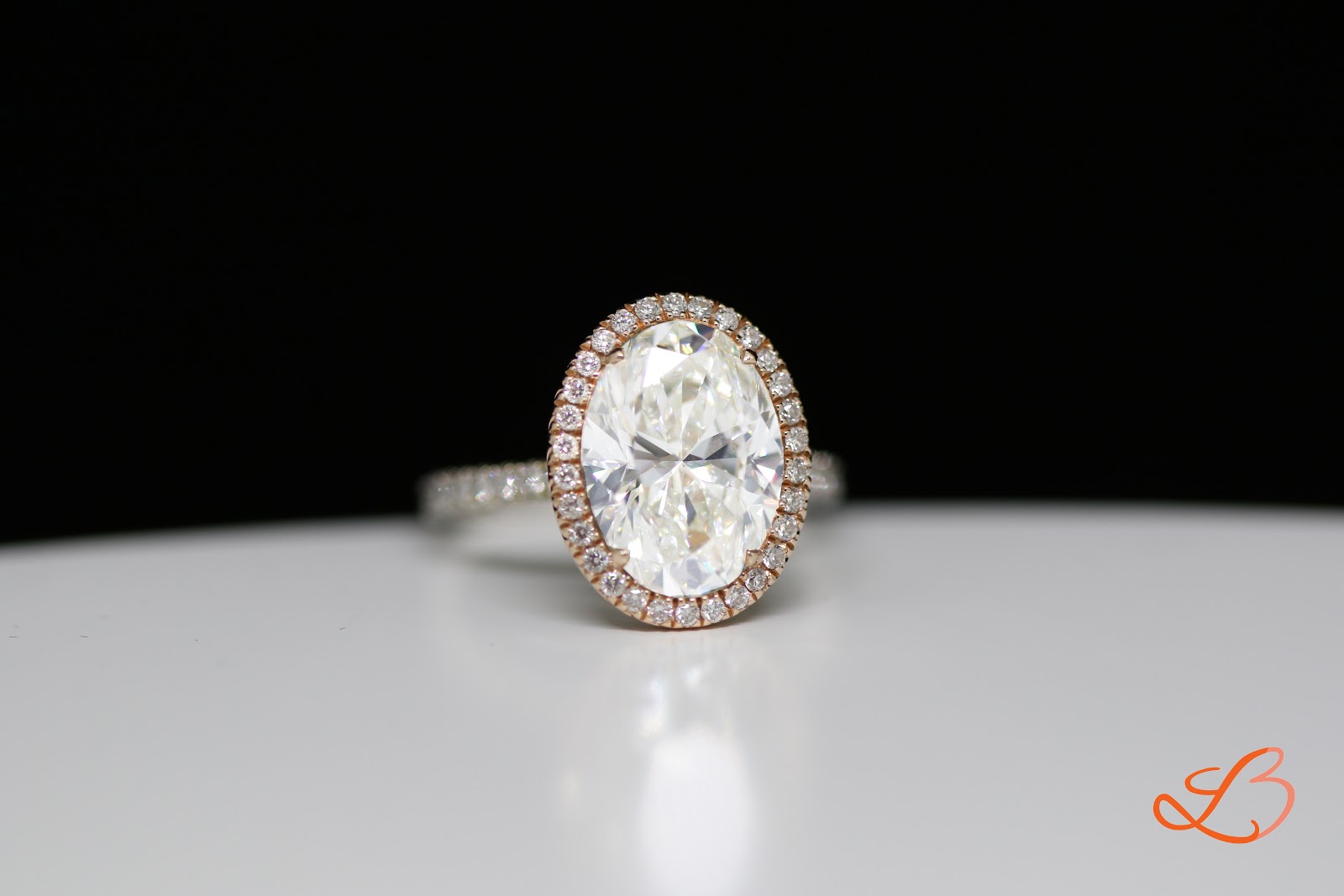
Engagement Eternity Bands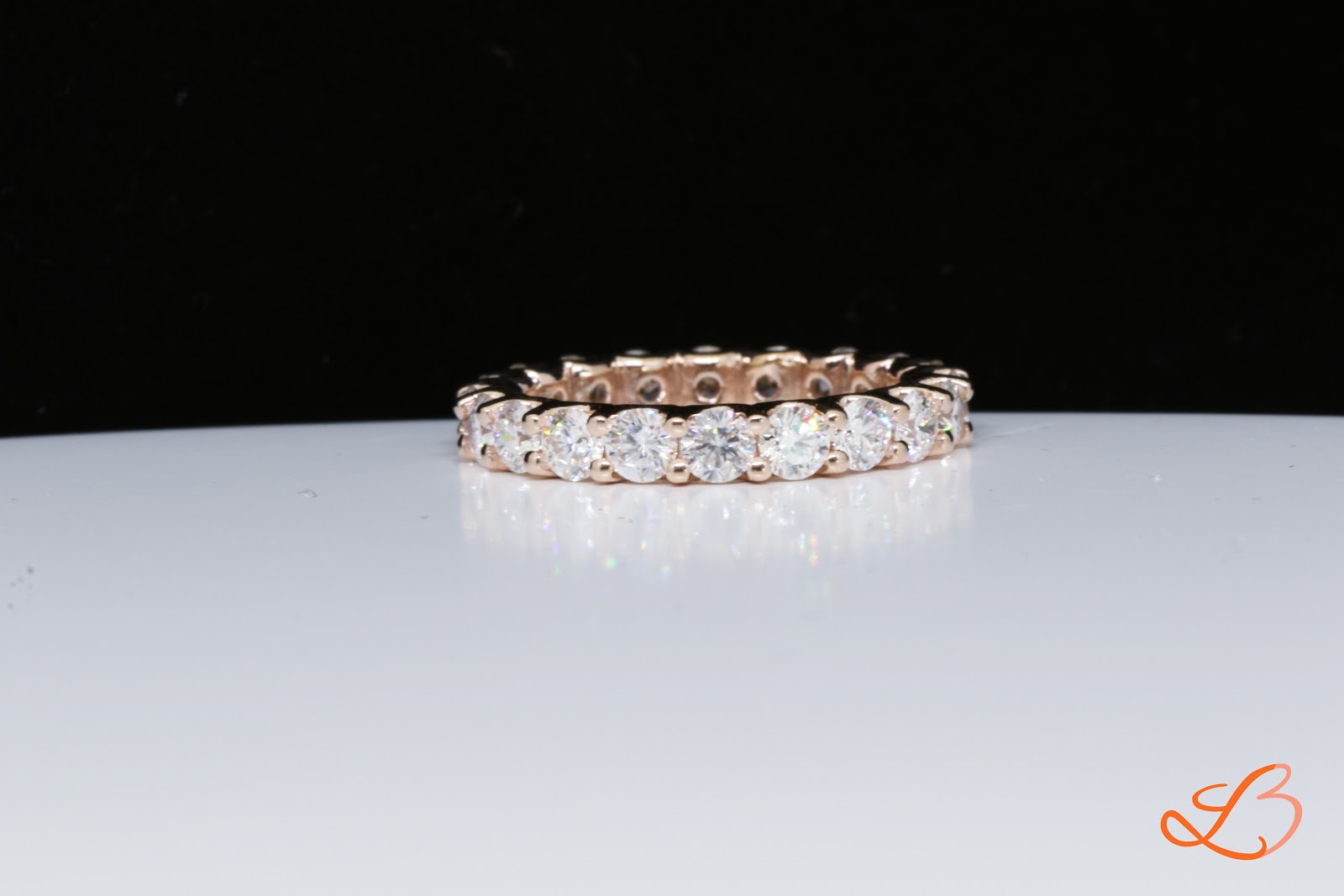
Halos and Double Halos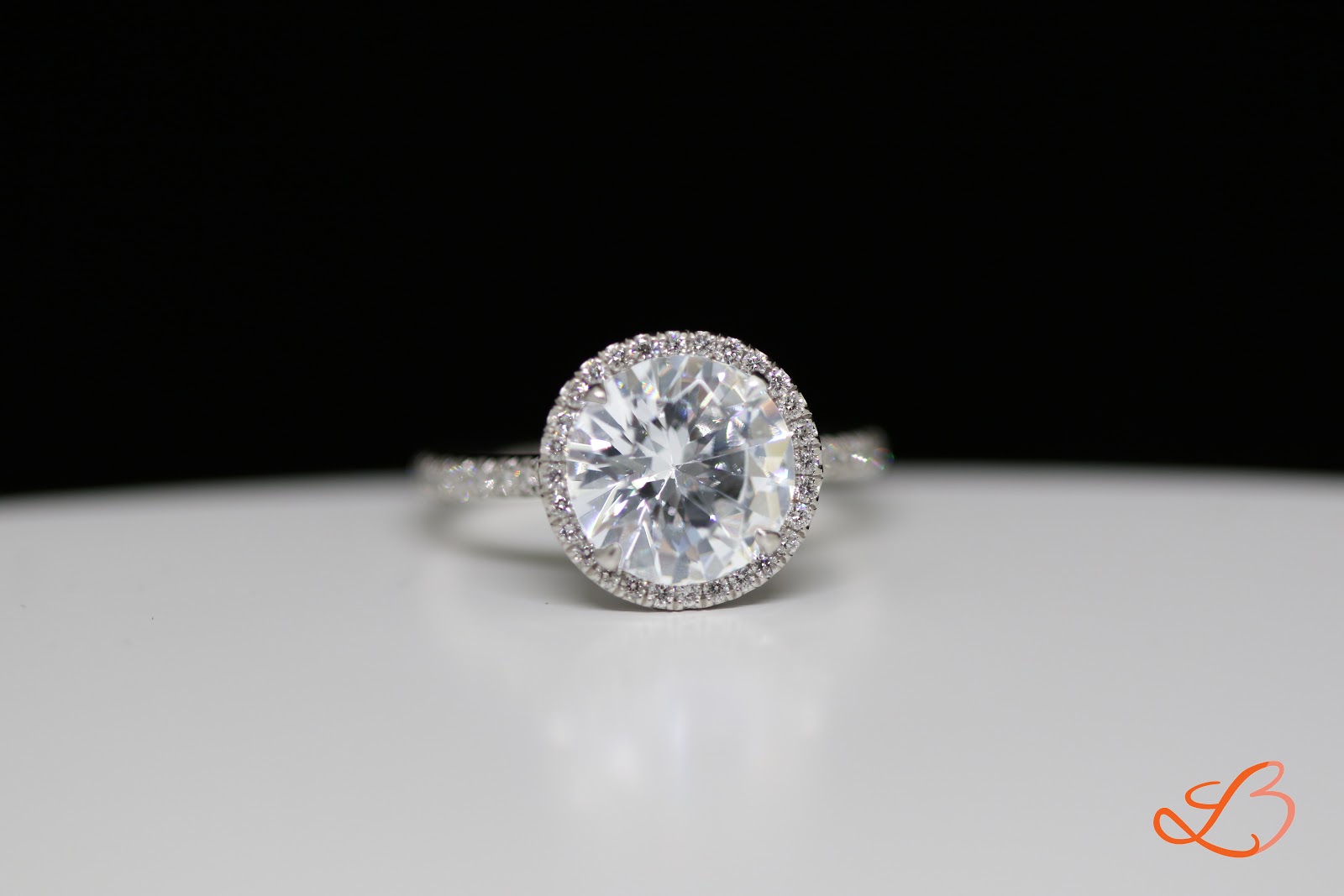
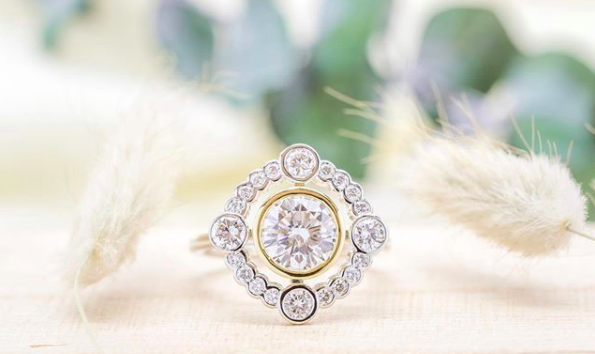
Two-Toned Metals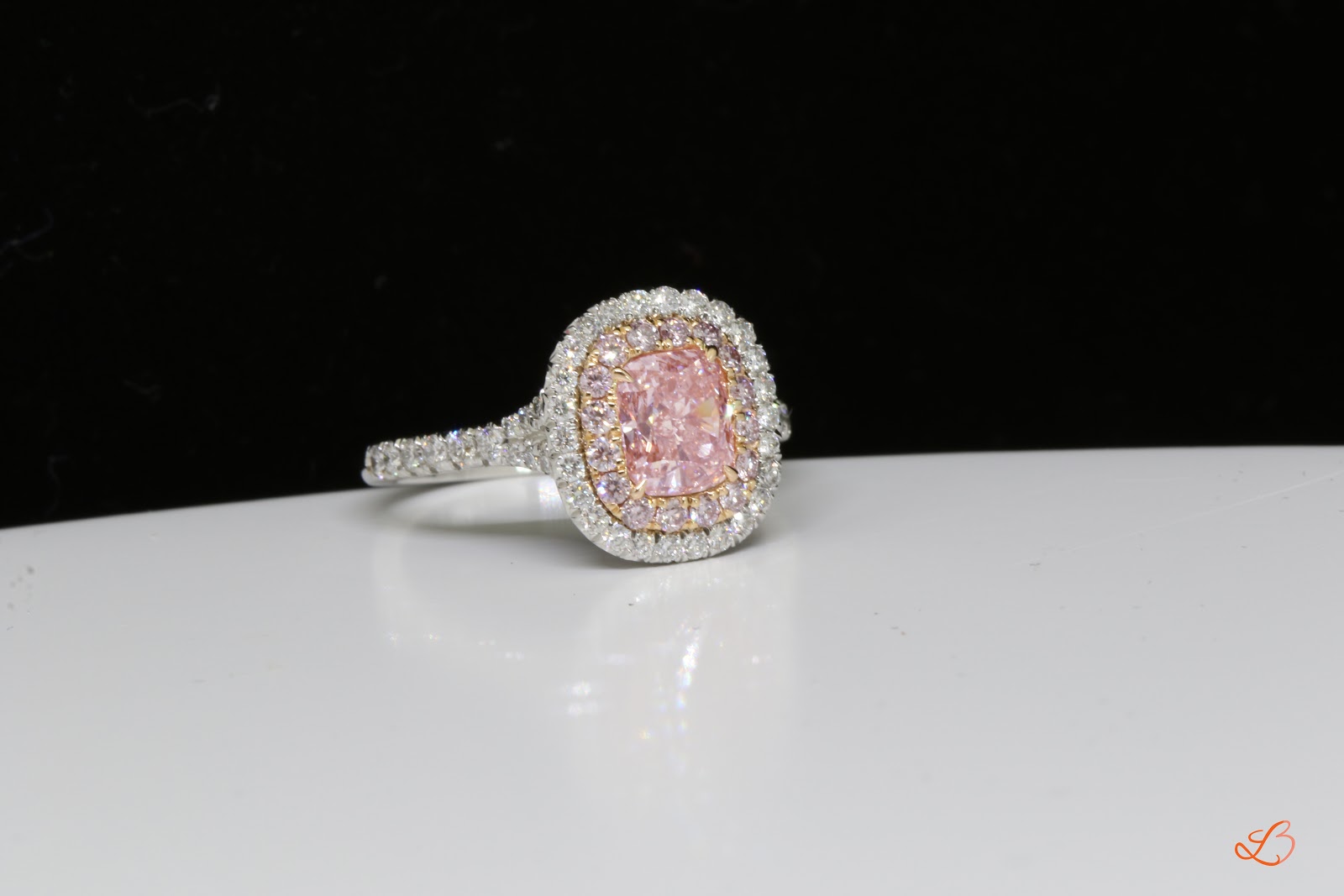
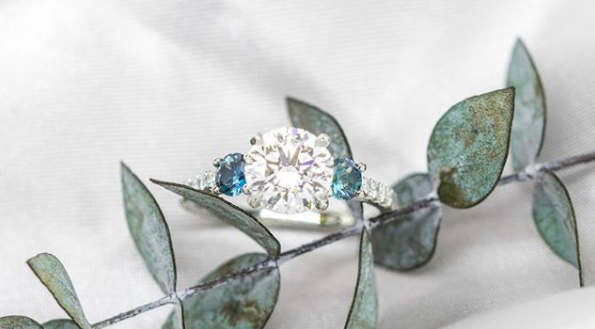
Colorful Center Stones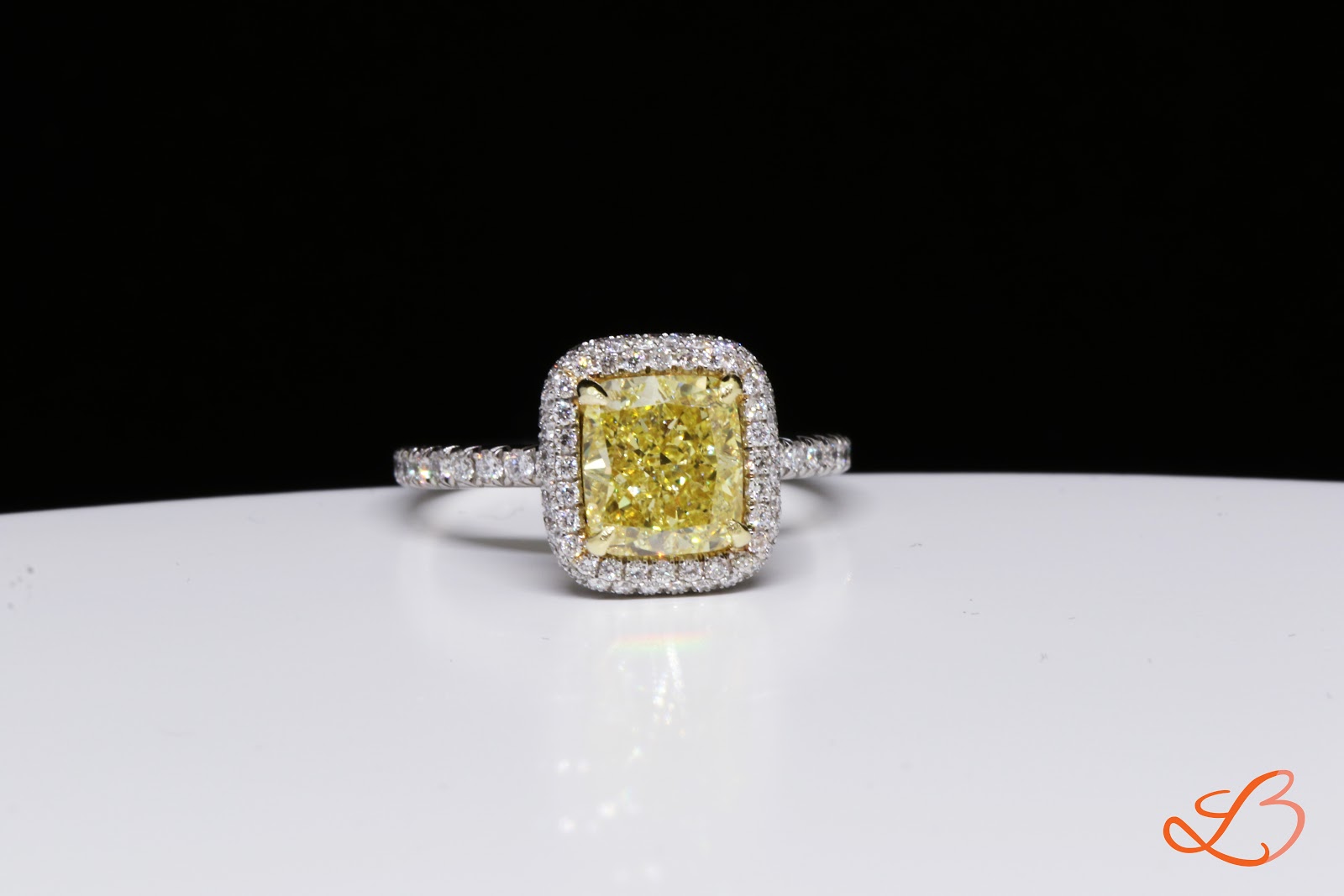
Which ring is your favorite? Comment below and let us know!
LB